
Getting a handle on your money in 2026 might feel like a big task, especially if you’re just starting out. It’s easy to feel lost with all the financial jargon and changing news. But don’t worry, this guide is here to help break down the basics. We’ll cover some simple, actionable personal finance tips for beginners that can make a real difference. Think of this as your starting point, from confused beginner to confident investor, with essential money news and finance tips for starting your journey.
Key Takeaways
- Build an emergency fund to cover unexpected costs, aiming for 3-6 months of living expenses.
- Use a high-yield savings account to earn more interest on your savings while keeping them accessible.
- Prioritize paying down high-interest debt, like credit cards, to stop interest from piling up.
- Consider using a budgeting app to easily track your spending and manage your money.
- Choose a checking account that works for you, ideally one with no monthly fees and potential rewards.
1. Emergency Fund
Okay, so let’s talk about the emergency fund. This is basically your financial safety net. Think of it as the money you set aside for those "oh no!" moments – like a sudden car repair, an unexpected medical bill, or if you lose your job.
Having this fund means you won’t have to go into debt or drain your regular savings when life throws a curveball. Experts usually say you should aim for three to six months of your living expenses. That might sound like a lot, but even starting with a smaller amount makes a big difference. It’s all about building that cushion.
Here’s a quick breakdown of why it’s so important:
- Unexpected Expenses: Covers things like appliance breakdowns or emergency travel.
- Income Loss: Provides a buffer if you face a layoff or reduced work hours.
- Peace of Mind: Knowing you have this money reduces a lot of financial stress.
How much should you have? Well, it depends on your monthly bills. A good starting point is to figure out your essential monthly costs – rent/mortgage, utilities, food, transportation, insurance. Multiply that by three to get a basic target. You can automate savings to make this easier, like setting up automatic transfers from your checking to a savings account each payday. This way, you’re consistently building it up without even thinking about it. Check out this guide for building an emergency fund to get started.
Don’t get discouraged if you can’t save the full amount right away. The key is to start somewhere and be consistent. Even saving $20 a week adds up over time. The goal is progress, not perfection.
For this money, a high-yield savings account is a smart choice. It earns more interest than a regular savings account, so your money grows a bit faster, but it’s still easily accessible when you need it.
2. High-Yield Savings Account
Okay, so you’ve got your emergency fund sorted, which is awesome. Now, let’s talk about making that money work a little harder for you. That’s where a high-yield savings account, or HYSA, comes in. Think of it like a regular savings account, but with a much better interest rate. This means your money grows faster just by sitting there.
Traditional savings accounts often give you next to nothing in interest. HYSAs, on the other hand, can offer rates that are significantly higher. For example, in May 2026, you might see rates around 4.10% APY. That difference adds up, especially over time. It’s a smart way to earn more on your savings without taking on any extra risk.
Here’s why you should consider one:
- Better Growth: Earn more interest compared to standard savings accounts. Your money doesn’t just sit there; it actively grows.
- Accessibility: Your money is still readily available when you need it, unlike a Certificate of Deposit (CD) where your funds are locked away for a set period.
- Goal Acceleration: Whether it’s for a down payment on a house or a future vacation, the extra interest helps you reach your financial goals sooner.
Opening one is usually pretty straightforward. Many banks and online financial institutions offer them. Some, like the American Express High-Yield Savings Account, don’t even require a minimum deposit to get started, making it super accessible for beginners.
When you’re just starting out, it’s easy to think that every dollar has to be spent or saved for something immediate. But setting up a high-yield savings account is a way to build wealth passively. It’s a foundational step that sets you up for long-term financial health, allowing your savings to compound and grow without you having to do much extra work.
3. Credit Card Debt
Okay, let’s talk about credit card debt. It’s one of those things that can feel like a giant weight, and honestly, it can be if you’re not careful. The interest rates on credit cards are usually pretty high, and if you just make the minimum payments, that balance can stick around for a really long time, costing you a ton in interest. The first step is to really understand exactly how much you owe and to whom.
Here’s a quick breakdown of what to do:
- List it all out: Write down every credit card you have, the total amount you owe on each, and, super importantly, the interest rate (APR) for each one. This is your starting point for figuring out a plan.
- Prioritize the high interest: Generally, you want to tackle the debt with the highest interest rate first. This is often called the ‘debt avalanche’ method. It saves you the most money on interest over time.
- Consider a strategy: There are a couple of popular ways to pay down debt. The ‘debt snowball’ method involves paying off your smallest balances first, which can give you quick wins and keep you motivated. The ‘debt avalanche’ method, as mentioned, focuses on the highest interest rates first to save money.
- Look into options: Sometimes, moving your debt to a new card with a 0% introductory APR for a period can be a good move, but be sure you can pay it off before that intro period ends. Another option is a debt consolidation loan, which combines multiple debts into one loan, often with a lower interest rate. This can simplify payments and potentially lower your overall interest costs [b88c].
Paying off debt isn’t just about making payments; it’s about changing how you handle money overall. If you don’t build healthier habits, it’s easy to fall back into debt even after you’ve paid it off. Understanding why you got into debt in the first place is key to making different choices moving forward.
Don’t feel ashamed if you’re in credit card debt. Lots of people are. The important thing is to face it head-on and make a plan. You can get a clearer picture of your situation by listing all your debts and their interest rates [e1f3].
4. Budgeting App

Okay, so you’ve got your emergency fund sorted, maybe a high-yield savings account is in the works, and you’re tackling credit card debt. What’s next? It’s time to get a handle on where your money is actually going. This is where a budgeting app really shines. These tools can make tracking your spending feel less like a chore and more like a game.
Think about it: instead of digging through receipts or trying to remember every coffee you bought, an app can automatically pull your transactions from your bank accounts and credit cards. It then sorts them into categories – groceries, rent, entertainment, you name it. This gives you a super clear picture of your spending habits. You might be surprised where your money is disappearing!
Here’s a quick rundown of what these apps can do for you:
- Track Spending: See exactly where every dollar goes.
- Categorize Expenses: Automatically sorts your purchases.
- Set Budgets: Create spending limits for different categories.
- Alerts: Get notified if you’re close to overspending.
- Goal Setting: Link your spending to financial goals.
There are tons of options out there, each with its own quirks. Some, like Monarch Money, offer a really flexible way to set up your budget and visualize your finances. Others, like Goodbudget, use a more hands-on envelope system approach, which can be great if you like to physically see your money allocated. Finding the best budget apps for 2026 that fits your style is key.
Using a budgeting app isn’t about restricting yourself; it’s about understanding your financial behavior. Once you know where your money is going, you can make smarter decisions about where you want it to go. It’s about gaining control, not feeling controlled.
Many apps offer a free version or a trial period, so you can test them out before committing. It might take a little time to set up and get used to, but honestly, the clarity it provides is worth the effort. It’s a small step that can make a huge difference in your overall financial health.
5. Checking Account
Okay, so you’ve got your emergency fund sorted and maybe even a high-yield savings account humming along. Now, let’s talk about the everyday workhorse of your finances: the checking account. This is where your paycheck lands and where most of your bills get paid from. Choosing the right checking account can actually save you money and make managing your day-to-day finances a lot smoother.
Think about it – how many fees have you paid over the years? Things like monthly maintenance fees, ATM fees if you go out of network, or even overdraft fees can really add up. It’s like throwing money away! For beginners, the goal should be to find an account that doesn’t nickel-and-dime you. Many banks and credit unions now offer free checking accounts, which is awesome. Some even throw in extra perks.
Here’s what to look for:
- No Monthly Maintenance Fees: This is a big one. You shouldn’t have to pay just to keep your money in an account.
- Free ATM Access: Check if you can use any ATM without getting hit with a fee, or at least get reimbursed for fees charged by other banks.
- Online and Mobile Banking: You’ll want easy access to your account to check balances, transfer money, and pay bills on the go.
- Direct Deposit: Make sure your employer can easily deposit your paycheck directly into the account.
Some checking accounts even offer a little something extra, like interest on your balance (though don’t expect it to be as high as a savings account) or rewards for using your debit card. For instance, some accounts might give you cash back or help you save by rounding up your purchases. It’s worth looking into accounts like Connexus Credit Union’s Xtraordinary Checking which offers a good APY and no minimum balance requirement, or a simple option like TD Essential Banking if you just want a no-fuss account.
Your checking account is more than just a place to park money. It’s the hub for your daily financial activity. If it’s costing you a lot in fees or making it hard to track your spending, it’s probably time to switch to something that works better for you. Don’t settle for an account that drains your wallet instead of helping you manage your money.
6. Sinking Fund
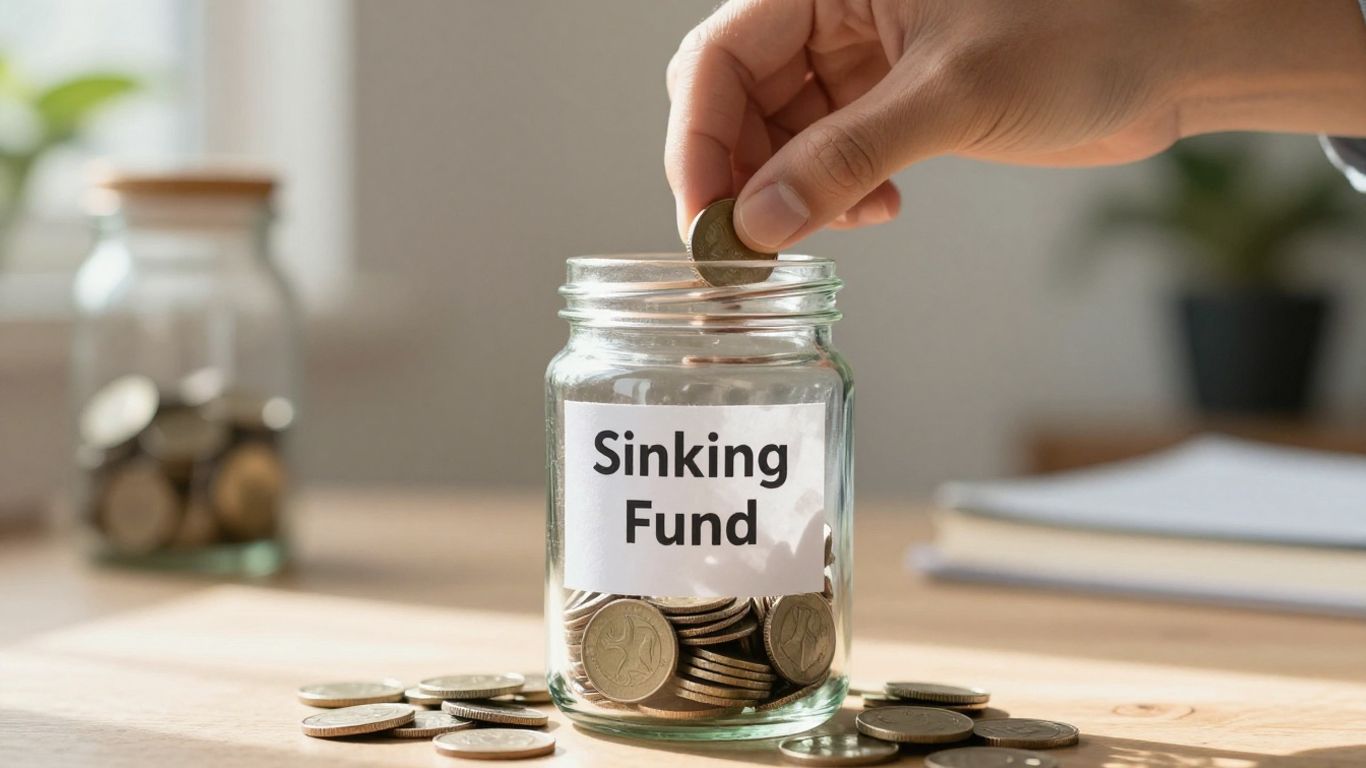
Okay, so we’ve talked about emergency funds for the unexpected stuff, right? Well, a sinking fund is kind of the opposite – it’s for all the things you know are coming.
Think about it: holidays, birthdays, maybe a new couch you’ve been eyeing, or even just saving up for your annual car insurance premium. These are all expenses that pop up regularly, but they can really mess with your budget if you don’t plan for them. A sinking fund is basically a savings account dedicated to a specific future purchase or expense.
Here’s how it works:
- Identify the expense: What are you saving for? Be specific. Is it a $500 vacation in six months? Or a $1,200 new laptop in a year?
- Calculate your goal: Figure out the total cost. If it’s $500 and you have six months, you need to save about $83 per month.
- Set up a separate account: It’s best to keep this money separate from your regular checking or even your emergency fund. This way, you won’t accidentally spend it on something else. Some people use a separate savings account, while others might use a Certificate of Deposit (CD) if the goal is further out and they want to earn a bit more interest.
- Automate your savings: Just like with other savings goals, setting up automatic transfers from your checking account to your sinking fund makes it way easier. You won’t even miss the money if it’s gone before you see it.
It’s a smart way to handle predictable costs without going into debt or stressing out your main budget. It’s all about being proactive with your money. You can start a sinking fund for almost anything, from a new set of tires to a down payment on a car saving for a trip or big purchase.
This method helps you avoid that ‘oh no!’ moment when a big bill arrives. Instead, you’ll have the cash ready and waiting, making those planned expenses feel a lot less painful.
7. Retirement Account
Okay, so we’ve talked about saving for the short-term, but what about the long haul? That’s where retirement accounts come in. Think of these as special accounts designed to help your money grow over decades, with some nice tax perks from the government.
The biggest advantage is that your money grows without being taxed year after year. This might not sound like a huge deal now, but over 30 or 40 years, that compounding effect can really add up. It’s like a snowball rolling downhill – it just gets bigger and bigger.
There are a couple of main types you’ll hear about: employer-sponsored plans like a 401(k) and individual accounts like an IRA. If your job offers a 401(k) and they throw in some matching contributions, definitely take advantage of that. It’s basically free money! For 2026, contribution limits are set, so know what those are for your age group [4654].
Here’s a quick rundown of why they’re so good:
- Tax Advantages: Your money grows tax-deferred or tax-free, depending on the account type.
- Employer Match: Many employers add extra money to your account if you contribute.
- Long-Term Growth: Designed for decades of investing, allowing compound interest to work its magic.
- Investment Options: You can choose how your money is invested, often in diversified funds.
Don’t just let the money sit there. You need to actually pick investments within your retirement account. If you don’t, you could miss out on a lot of potential growth. Think about something like an index fund; it’s a basket of stocks that’s already spread out, which is a safer bet than trying to pick individual winners.
If you’re not sure where to start, many platforms offer advice or have financial advisors you can talk to. Getting a handle on retirement planning early is key to a secure future [60b3].
Wrapping It Up
So, there you have it. Getting a handle on your money doesn’t have to be some huge, scary thing. We’ve gone over some basic steps, like figuring out where your cash is actually going and setting goals that you can actually reach. Remember, it’s okay if you don’t get everything perfect right away. The main thing is to just start. Take it one step at a time, be patient with yourself, and don’t be afraid to ask for help if you need it. You’ve got this, and 2026 can definitely be the year you start feeling more in control of your finances.
Frequently Asked Questions
What’s the most important thing to do first when I start managing my money?
The very first step is to understand where your money is going. Don’t be afraid to look at your bank statements and spending habits. Knowing the facts helps you figure out what needs to change and what’s working well.
How much money should I have in my emergency fund?
Experts usually say you should aim for enough to cover three to six months of your living costs. But even a smaller amount, like enough for one month, is a great start and can help you handle unexpected bills without going into debt.
Is it better to pay off credit card debt or save money first?
It’s generally best to tackle high-interest debt, like credit card debt, first. The interest you pay on credit cards can add up quickly, making it harder to get ahead. Once that’s under control, you can focus more on saving and other goals.
What’s a ‘sinking fund’ and how is it different from an emergency fund?
A sinking fund is money you save up for a specific, planned purchase, like a new phone or a vacation. An emergency fund is strictly for unexpected costs, like a car repair or a medical bill. They serve different purposes, so it’s good to keep them separate.
How can a budgeting app help me?
Budgeting apps can make managing your money much easier. They often link to your bank accounts, automatically track your spending, sort your expenses into categories, and can even alert you to unusual charges or upcoming bills. This helps you see your financial picture clearly without a lot of manual work.
What if my income changes a lot each month?
If your income isn’t steady, start by figuring out the minimum amount you need each month to cover your essential bills. Set up a separate account to deposit all your income, and ‘pay yourself’ that minimum amount. Any extra money can stay in the account to cover months when you earn less, helping to keep things stable.
Leave a Reply