
So, you’ve heard about games where you can actually make money? It sounds like a dream, right? Well, it’s called play-to-earn gaming, and it’s becoming a real thing. This guide is for anyone curious about play to earn gaming for beginners. We’ll break down what it is, how it works, and what you need to know before you jump in. Think of it as your easy-to-understand map to this new kind of gaming world.
Key Takeaways
- Play-to-earn (P2E) games let you earn real-world value, like cryptocurrencies or NFTs, by playing.
- Unlike traditional games, your in-game items in P2E are owned by you as NFTs and can be traded or sold.
- Blockchain technology is the backbone of P2E, providing a secure and transparent way to manage assets and rewards.
- Getting started involves picking a game, setting up a crypto wallet, and understanding how the game’s economy works.
- While P2E offers exciting possibilities, it’s important to be aware of risks like market volatility and the need for careful game selection.
What Exactly is Play-to-Earn Gaming?
The Core Concept: Gaming Meets Earning
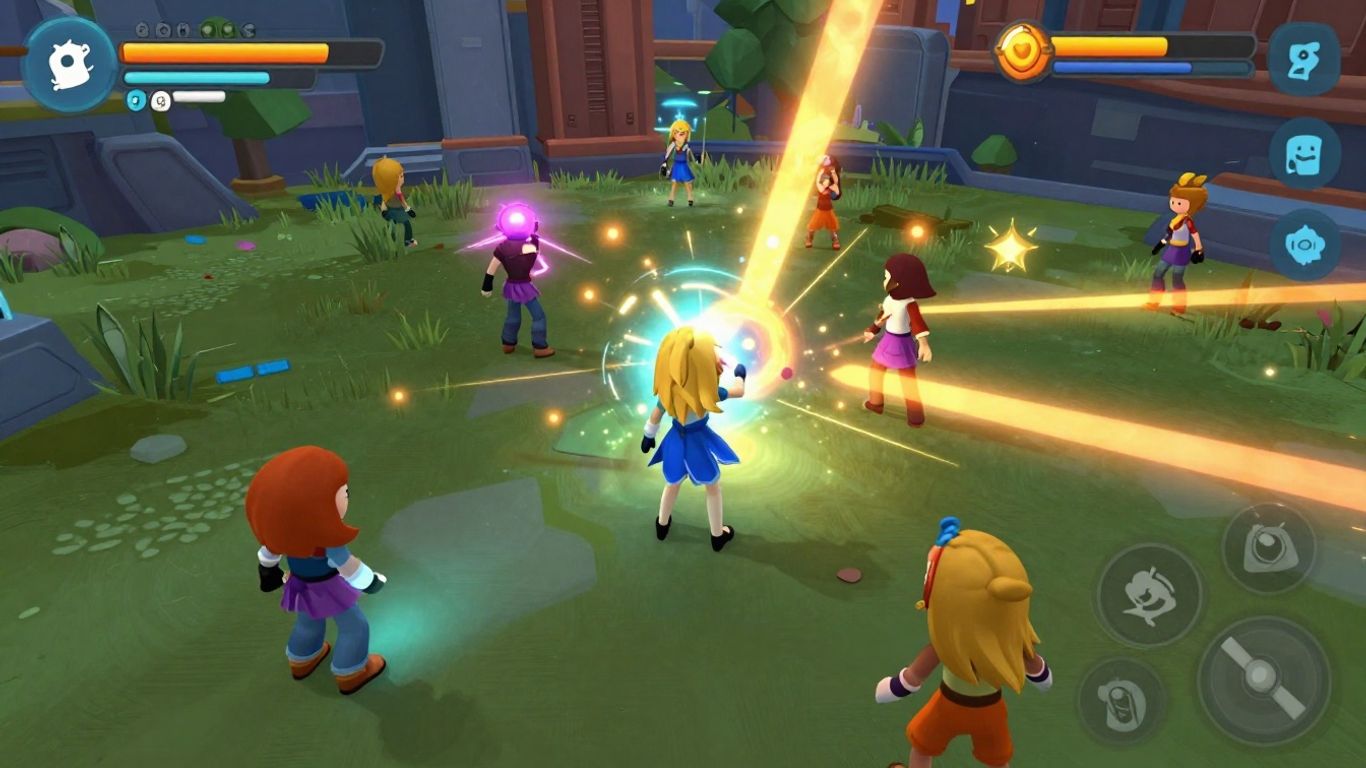
So, you’ve probably heard the buzz about games where you can actually make money, right? That’s basically what play-to-earn (P2E) gaming is all about. Think of it as a twist on the games you already play, but with a real-world reward system built in. Instead of just spending your cash on virtual items that disappear when you log off, P2E games let you earn digital assets that have actual value. It’s a whole new way to think about your time spent gaming.
How Do Play-to-Earn Games Work?
Play-to-earn games operate on blockchain technology. This is the same tech that powers cryptocurrencies like Bitcoin. When you play these games, your actions can earn you digital items, like special characters, virtual land, or in-game currency. These aren’t just digital trinkets; they are often in the form of Non-Fungible Tokens (NFTs) or cryptocurrencies. Because they exist on the blockchain, you truly own them. This means you can trade them, sell them on marketplaces, or even hold onto them as investments. It’s a bit like having a digital collectible that you earned through gameplay. This model creates a decentralized economy where players have a stake in the game’s success.
Here’s a quick look at how it differs from traditional gaming:
- Traditional Games: Your progress and items are usually locked within the game’s servers. The game publisher owns everything, and there’s no real-world value to your in-game achievements.
- Play-to-Earn Games: You own your in-game assets as NFTs. You earn cryptocurrencies or tokens that have market value and can be traded or sold outside the game.
The core idea is to give players more control and a tangible stake in the virtual worlds they inhabit. It shifts the focus from just consuming content to actively participating in and benefiting from a game’s economy.
Many games are popping up in this space, from collecting digital pets to battling creatures. For example, games like Axie Infinity showed early on how players could earn significant income through dedicated gameplay.
Key Components of Play-to-Earn Gaming
So, what actually makes these play-to-earn games tick? It’s not just about clicking buttons and hoping for the best. There are a few core pieces that fit together to make the whole earning thing possible. Think of it like building with LEGOs – you need the right bricks to make something cool.
NFTs: Your In-Game Assets
First up, we’ve got NFTs, or Non-Fungible Tokens. In regular games, you might get a cool sword or a special skin, but it only exists inside that game. With NFTs, it’s different. These are unique digital items that you actually own, and they live on the blockchain. This means you can buy them, sell them, or trade them, not just within the game, but potentially on other marketplaces too. Your character, your land, your rare items – they can all be NFTs. It’s like having a digital collectible that has real-world value.
Cryptocurrencies: The Currency of the Game
Next, you need a way to buy, sell, and get rewarded. That’s where cryptocurrencies come in. Most play-to-earn games have their own special tokens. You might earn these tokens for winning battles, completing quests, or just for playing regularly. These tokens can then be used to buy more NFTs, upgrade your gear, or even be traded for other, more well-known cryptocurrencies like Bitcoin or Ethereum. The value of these tokens can change, though, so it’s something to keep an eye on. Token prices fluctuate daily, impacting the value of your in-game earnings.
Blockchain Technology: The Foundation
Underneath all of this is the blockchain. You hear about it a lot, but what does it do here? Basically, it’s the secure, transparent ledger that records everything. When you buy an NFT or earn a crypto token, the blockchain makes sure that transaction is permanent and verifiable. It’s what gives you true ownership of your digital assets and makes sure the game’s economy is fair and not controlled by just one person or company. It’s the tech that makes the whole play-to-earn model possible and trustworthy.
The whole idea is to give players real ownership and value for their time and effort, moving away from games where your progress is stuck inside the game forever. It’s a big shift in how games can work.
Getting Started: Your First Steps into Play-to-Earn
So, you’re curious about play-to-earn gaming and want to know how to actually start earning with crypto games? It’s not as complicated as it might sound, but there are a few key things you’ll need to get sorted before you can jump in. Think of this as your initial checklist for getting started with P2E games.
Choosing Your First Game
This is probably the most important step. Not all play-to-earn games are created equal, and some are definitely more fun and sustainable than others. You don’t want to jump into something that feels more like a second job than a game, right? Look for games that have a solid player base, active developers who are updating the game, and clear gameplay that people actually enjoy. Check out reviews, see what the community is saying on forums or social media, and try to find games that have been around for a little while. A game that promises guaranteed high returns right off the bat is usually a red flag. It’s better to start with games that are free to play or have a low entry cost, especially when you’re just beginning your journey into beginner’s guide to NFT games.
Setting Up Your Crypto Wallet
To participate in play-to-earn gaming, you’ll need a digital wallet to hold your cryptocurrencies and any NFTs you might earn or buy. Think of it like your personal bank account for the crypto world. There are many different wallets out there, but some popular and well-regarded ones include MetaMask, Trust Wallet, and Phantom. When you set up a wallet, you’ll be given a recovery phrase – this is super important. Write it down and keep it somewhere safe and offline. Seriously, don’t lose it, and never share it with anyone. If you lose that phrase, you lose access to your wallet and everything in it.
Here’s a quick rundown of what to consider:
- Wallet Type: Most P2E games work with browser extension wallets (like MetaMask) or mobile wallets.
- Blockchain Compatibility: Make sure your chosen wallet supports the blockchain the game runs on (e.g., Ethereum, Polygon, Solana).
- Security: Always use strong passwords and keep your recovery phrase secure.
Getting started with P2E games doesn’t require a massive investment upfront. Many games allow you to begin playing with minimal or no cost, letting you learn the ropes and earn small rewards as you go. Focus on understanding the game’s mechanics and economy before considering any significant purchases.
Once you have your wallet set up and a game picked out, you’re pretty much ready to start playing and exploring how to start earning with crypto games. Remember to start small, focus on games you find enjoyable, and treat any earnings as a bonus rather than a guaranteed income.
Risks and Considerations for Beginners
Jumping into play-to-earn games can feel exciting, like finding a hidden treasure chest. But, just like any adventure, there are things you should know before you go in. Not all games are created equal, and some might feel more like work than play.
One big thing to watch out for is the value of the in-game money, or tokens. These are like digital coins, and their worth can swing wildly, kind of like the stock market. One day your earnings might be worth a good chunk of change, and the next day, not so much. It’s a bit like trying to predict the weather – sometimes you get it right, sometimes you don’t. This volatility means you can’t always count on a steady income stream.
Here are a few points to keep in mind:
- Fun Factor: Does the game actually feel good to play? Some games focus so much on the earning part that they forget to make the game itself enjoyable. If it feels like a chore, you probably won’t stick around for long.
- Tokenomics: How does the game’s economy work? Are tokens easy to earn? Are they useful for anything besides selling? A game with a confusing or unsustainable economy can quickly become worthless.
- Scams and Shut-downs: Sadly, not everyone in this space has good intentions. Some games might be outright scams, while others might just disappear after a while, taking your invested time and money with them. Always do your homework on the game’s developers and its history.
It’s easy to get caught up in the idea of making money, but remember that these games are still games. If the primary goal is just to earn, you might find yourself disappointed. Look for games that offer a good balance between fun gameplay and potential rewards. Think of the earnings as a nice bonus, not the main reason you’re playing.
Also, be aware that some apps might promise big payouts for playing simple games, but the reality is often much smaller rewards that take ages to add up. It’s always a good idea to check out reviews and see what real players are saying before you invest too much time. You might find that simpler ways to earn, like through certain apps, offer more predictable, albeit smaller, returns.
The Future of Play-to-Earn Gaming
So, where is all this headed? It’s a bit early to say for sure, but the signs point to some pretty interesting developments. We’re seeing a big push towards making these games more like the ones we’re used to playing, but with that added layer of ownership and earning potential. Think more polished graphics, smoother gameplay, and stories that actually pull you in. The goal is to make the "play" part just as compelling as the "earn" part.
The big picture is that gaming is evolving, and play-to-earn is a major part of that shift. It’s not just about collecting digital items anymore; it’s about building entire economies within games that have real-world value. We’re likely to see more games that blend traditional gaming experiences with blockchain technology, making the introduction to blockchain gaming much easier for newcomers.
Here are a few things to keep an eye on:
- Interoperability: Imagine being able to take an item you earned in one game and use it in another. That’s the dream of interoperability, and developers are working on making it a reality.
- Metaverse Integration: As virtual worlds grow, so will the opportunities to earn within them. Play-to-earn mechanics are a natural fit for these expansive digital spaces.
- Accessibility: Games are getting easier to jump into, with many offering free-to-play options or lower entry costs. This is key to bringing more people into the fold.
- New Game Genres: Expect to see play-to-earn concepts applied to all sorts of game types, from strategy and simulation to action and adventure.
The focus is shifting from just earning to creating genuinely fun and engaging experiences where earning is a natural outcome of playing well and investing time. This means developers need to balance the economic aspects with solid game design to keep players hooked for the long haul.
It’s still a developing space, and there will be ups and downs, but the potential for how to make money playing video games is definitely growing. Keep an eye on the leading play-to-earn crypto games for 2026 to see what’s coming next.
Wrapping It Up
So, that’s the lowdown on play-to-earn gaming. It’s definitely a new way to think about spending your time online, turning gaming sessions into potential income. Remember, it’s not all sunshine and rainbows; there are risks involved, like with any new tech. Start small, pick games that are actually fun to play, and don’t expect to get rich overnight. Think of any earnings as a nice bonus on top of your gaming enjoyment. As this space keeps growing, it’ll be interesting to see how it changes the gaming world even more.
Frequently Asked Questions
What exactly is play-to-earn gaming?
Play-to-earn (P2E) gaming is a type of video game where players can earn real-world value, like digital money (cryptocurrencies) or special in-game items (NFTs), just by playing. Think of it as getting rewarded with actual stuff for your time and skills in a game, instead of just virtual points.
How do players actually get paid in these games?
When you play, you can earn digital coins or unique items called NFTs. These rewards are stored in a special digital wallet. From your wallet, you can often trade these items on online marketplaces or exchange them for real money, like dollars or euros, depending on the game and where you live.
Do I have to spend money to start playing play-to-earn games?
Not always! Many play-to-earn games let you start playing for free. Some might ask for a small purchase to get started, like buying a basic character or item, but it’s often best to begin with games that don’t require you to spend money upfront so you can learn the ropes first.
Are play-to-earn games legal?
Generally, yes, play-to-earn games are legal in most places. However, the rules about digital money and taxes can be different in each country. While the games themselves are usually allowed, you might need to report any money you earn as income. It’s a good idea to check the rules where you live before you start earning.
What’s the main difference between play-to-earn and regular video games?
In regular games, everything you earn or achieve stays inside the game – you don’t really own it. In play-to-earn games, you get to truly own your digital items as NFTs. This means you can sell them, trade them, or even use them outside of the game, giving your gaming efforts real-world value.
How do play-to-earn games make money?
Game makers earn money in a few ways. They might take a small fee when players buy or sell items on the game’s marketplace. Some games also make money from selling special virtual land, cool outfits for characters, or through partnerships. It’s similar to how some regular games sell extra content, but it all happens using blockchain technology.
Leave a Reply