

Thinking about going pro in esports? It’s a dream for many, and the money can be pretty good, but it’s not always easy. We’re looking at esports salaries in 2026, breaking down what players actually make from tournaments, team paychecks, brand deals, and their own streams. We’ll also look at some big names in games like League of Legends, Dota 2, CS:GO, and Valorant, and give you a realistic picture of what it takes to get there and what to expect.
Key Takeaways
- Pro gamers in 2026 earn from multiple sources: tournament winnings, team salaries, sponsorships, and streaming revenue.
- Top players in major titles like League of Legends, Dota 2, CS:GO, and Valorant can earn significant amounts, often in the millions over their careers, but this is rare.
- Tournament winnings can be huge, especially in games like Dota 2 with its massive ‘The International’ prize pool, but prize money is not guaranteed and often split.
- Team salaries provide a stable income, varying widely based on the player’s skill, team’s status, and the game’s popularity, with top CS:GO players potentially earning $15,000-$40,000 monthly.
- Building a personal brand through streaming and content creation is vital for securing sponsorships and increasing overall earning potential beyond just competitive play.
Understanding Esports Player Earnings in 2026
The Evolving Financial Landscape of Esports
The world of professional gaming, or esports, has really blown up over the last decade. It’s not just a niche hobby anymore; it’s a massive industry with a global audience and serious money involved. Back in the day, you might have thought pro gamers just played games all day, but now, it’s a legitimate career path with complex financial structures. The market value has shot up, and by 2026, it’s expected to be worth billions. This growth means more opportunities for players, but also a more competitive scene.
The way players make money has changed a lot. It used to be mostly about tournament winnings, but now there are so many more ways to earn, from team salaries to brand deals and even just being entertaining on stream. It’s a whole ecosystem.
Key Revenue Streams for Professional Gamers
So, how do these gamers actually make a living? It’s not just one thing. Think of it like a pie with several big slices:
- Tournament Winnings: This is the classic one. Big competitions offer huge prize pools, sometimes millions of dollars. Winning these can set a player up for a long time.
- Team Salaries: Most pro players are signed to organizations. These teams provide a base salary, which offers a level of financial stability, especially for players who might not win tournaments consistently.
- Sponsorships and Brand Deals: Companies want to reach the gaming audience. They partner with players and teams for advertising, product placements, and endorsements. This can be a really significant income source.
- Streaming and Content Creation: Many players build a personal brand by streaming their gameplay on platforms like Twitch or YouTube. They earn through subscriptions, ads, donations, and creating other video content.
Factors Influencing Earning Potential
Not all gamers earn the same amount, of course. Several things play a role in how much a player can make:
- Skill Level and Game Popularity: Being exceptionally good at a popular game is the first step. Games with large player bases and big tournament scenes tend to have higher earning potential.
- Team Affiliation: Being part of a well-known and successful esports organization usually means better salaries, better sponsorship opportunities, and more resources.
- Personal Brand and Viewership: How many fans do you have? How engaging are you on stream? A strong personal brand and a large, dedicated following can attract sponsors and boost streaming revenue significantly.
- Tournament Performance: Consistent high-level performance in major tournaments is key for prize money and for building a reputation that attracts other income streams.
Salary Breakdown by Revenue Stream
Alright, let’s talk about where the money actually comes from for pro gamers in 2026. It’s not just about winning tournaments anymore, though that’s definitely a big part of it. The whole esports scene has gotten way more complex, and players have a bunch of different ways they can earn cash.
Tournament Winnings: The Thrill of Victory
This is the classic image of esports earnings, right? Big stages, huge crowds, and massive prize pools. And yeah, winning tournaments can still mean life-changing money, especially in games like Dota 2 with its massive "The International" event. But here’s the thing: it’s super unpredictable. One day you’re a champion, the next you might not even qualify for the next big one. Plus, that prize money usually gets split. A typical split might look something like this:
- Players: Often get the largest chunk, maybe 70-80%.
- Organization: Takes a percentage, say 15-20%.
- Coaches/Staff: Usually get a smaller cut, around 5-10%.
So, while a $1 million prize sounds amazing, each player might only see a fraction of that after everyone takes their share. It’s a great bonus, but you can’t build a stable career on it alone.
Team Salaries: A Foundation for Stability
This is where things have really changed. Most established esports organizations now provide a base salary to their players. Think of it as a regular paycheck, offering some much-needed stability. These salaries can vary wildly depending on the game, the team’s success, and the player’s individual skill and reputation. For top-tier players in popular titles, these salaries can be quite substantial, sometimes reaching six figures annually. This base pay is what allows players to focus on their game without constantly worrying about where the next meal is coming from. It’s a big step up from the early days of esports where prize money was often the only income source. The average salary for professional gamers globally was around $138,000 in 2025, showing this trend towards higher base pay.
Sponsorships and Brand Deals: Beyond the Game
This is a huge and growing area for pro gamers. Companies want to connect with the passionate esports audience, and players are the perfect ambassadors. You’ll see players with logos on their jerseys, promoting products on their streams, or appearing in brand advertisements. These deals can range from small, one-off promotions to massive, multi-year contracts with major brands. The key here is building a personal brand and a strong following. The more visible and engaging a player is, the more attractive they are to sponsors. It’s not just about being good at the game; it’s about being a marketable personality.
Streaming and Content Creation: Building a Personal Brand
Many players supplement their income, or even make it their primary source, through streaming on platforms like Twitch or YouTube, and creating content for TikTok or Instagram. This involves playing games live, interacting with viewers, and producing edited videos like highlights, tutorials, or vlogs. Ad revenue from these platforms, along with viewer donations and subscriptions, can add up significantly. A consistent content schedule is often more important than winning every single match for building a sustainable income stream. It allows players to connect with their fans on a personal level, which in turn attracts more viewers and potential sponsors. It’s a way to build a career that can extend beyond their competitive playing days.
Top Earner Examples Across Major Titles
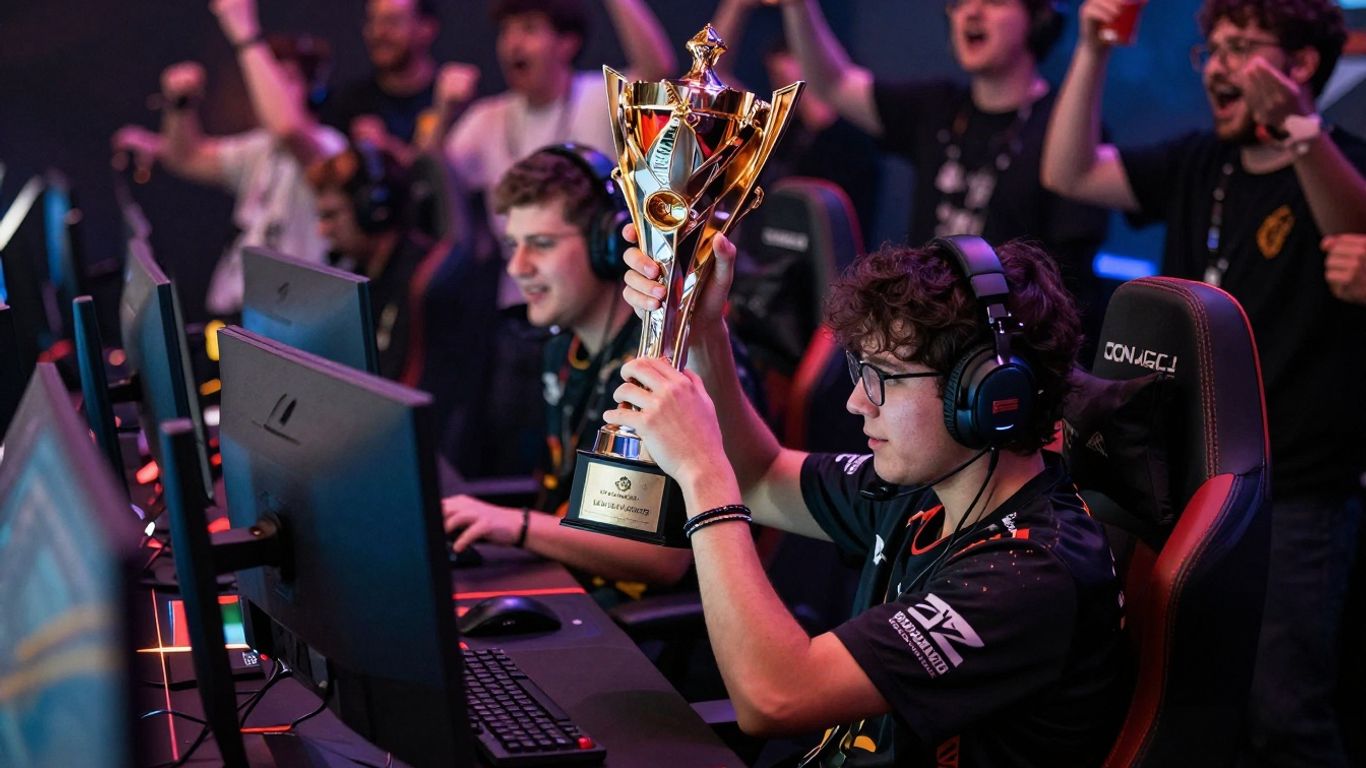
League of Legends: Strategic Minds, Big Payouts
League of Legends has a super structured pro scene, and that means pretty consistent paychecks for the top players. Think of it like traditional sports – there’s a league, teams, and a whole system. Most of the money here comes from team salaries, which are often quite healthy, plus a share of tournament winnings. Sponsorships are big too, especially for the star players who get noticed by brands wanting to reach that younger, engaged audience. It’s not just about winning; it’s about being a recognizable face.
Dota 2: The International’s Impact on Earnings
Dota 2 is a bit of a wild card, mostly because of The International (TI). This one tournament can make or break a player’s year, or even their career, thanks to its massive, crowd-funded prize pools. While team salaries exist, a huge chunk of a top Dota 2 player’s income can come from just one or two TI wins. Players like Johan "N0tail" Sundstein and Jesse "JerAx" Vainikka have made millions primarily from these huge prize splits. It’s a high-risk, high-reward game.
Here’s a look at some of the top earners from Dota 2 historically:
- Johan "N0tail" Sundstein: Estimated career earnings over $7 million, largely from TI wins.
- Jesse "JerAx" Vainikka: Close behind N0tail with over $6.4 million, also heavily influenced by TI.
- Anathan "Ana" Pham: Another OG Dota 2 legend, with earnings around $6.2 million, primarily from tournament victories.
Counter-Strike: Global Offensive’s Enduring Appeal
Counter-Strike: Global Offensive (CS:GO), now transitioning to CS2, has a long history and a dedicated fanbase. Earnings here are a mix. Teams offer solid salaries, and there are regular big tournaments with decent prize pools. What really sets CS:GO apart, though, are the sponsorships and the skin market. Players can earn a lot from personal brand deals, and some even have deals related to in-game items. It’s a game where consistent performance over many years can lead to significant financial rewards.
Valorant: A Rising Star in Esports Economics
Valorant is the new kid on the block, but it’s grown incredibly fast. Riot Games has put a lot of effort into building a stable esports ecosystem, which means good salaries and clear paths for players. Sponsorships are already a major factor, and as the game matures, we’re seeing more opportunities for players to build personal brands through streaming and content creation. While tournament winnings are important, the stability offered by team salaries and brand deals is making Valorant a very attractive title for aspiring pros.
The financial landscape for pro gamers is constantly shifting. While tournament wins grab headlines, consistent income often comes from a blend of team salaries, smart sponsorships, and building a personal brand through content creation. Aspiring players need to consider all these angles, not just the dream of a massive tournament payout.
The Path to Becoming a Professional Gamer
So, you’ve been watching the big tournaments, maybe even dreaming of lifting that trophy yourself. It’s a cool dream, for sure. But how do you actually get from playing games in your room to competing on a global stage? It’s not just about being good; there’s a whole process involved.
Developing Elite Gaming Skills
First things first, you gotta be really, really good at your chosen game. This isn’t just about playing a lot, though that’s part of it. It’s about smart practice. Think about it like training for any sport. You wouldn’t just run around randomly, right? You’d work on specific drills.
- Master the Fundamentals: Every game has core mechanics. Learn them inside and out. This means understanding movement, aiming, resource management, or whatever is key to your game.
- Analyze Your Play: Record your games. Watch them back. What mistakes are you making? Where could you have played better? Be honest with yourself.
- Study the Pros: Watch how the best players play. Don’t just copy them, try to understand why they make certain decisions. What’s their positioning? How do they react to different situations?
- Practice with Purpose: Instead of just playing match after match, set specific goals for your practice sessions. Maybe it’s improving your accuracy by 5% or learning a new strategy.
Joining an Esports Team: A Step-by-Step Guide
Playing solo is fine, but most pros are part of a team. Teams offer structure, coaching, and a better shot at getting noticed. Here’s a general idea of how it works:
- Pick Your Game: Focus on one or two games you’re passionate about and have a real shot at excelling in.
- Climb the Ranks: Get good enough to be recognized in the game’s competitive ladder. High rankings show you have skill.
- Network: Talk to other players, join communities, and participate in smaller online tournaments. You need to be visible.
- Find a Team: Look for teams that are at a similar skill level or slightly above yours. Many teams recruit through online forums, Discord servers, or by scouting players in ranked matches.
- Tryouts: Be prepared for tryouts. This is where you’ll play with potential teammates and show what you can do under pressure.
Building Your Online Presence and Brand
Being a great player is only half the battle. In today’s esports world, you also need to be a personality. This is where streaming and content creation come in, even if you’re not aiming to be a full-time streamer.
- Stream Your Gameplay: Platforms like Twitch and YouTube are where many aspiring pros get their start. It’s a way to show off your skills and connect with fans.
- Create Content: Make highlight reels, guides, or funny moments. This content can attract a following and make you more appealing to sponsors and teams.
- Engage with Your Audience: Respond to comments, interact with viewers, and build a community around yourself. People want to support players they feel connected to.
Building a personal brand isn’t just about getting famous; it’s about creating opportunities. A strong online presence can attract team offers, sponsorship deals, and give you a fallback if your competitive career doesn’t pan out exactly as planned. It shows you’re more than just a player; you’re a marketable individual.
It’s a long road, and not everyone makes it to the top. But with dedication, smart practice, and a bit of networking, you can definitely put yourself on the right track.
Reality Check for Aspiring Esports Professionals
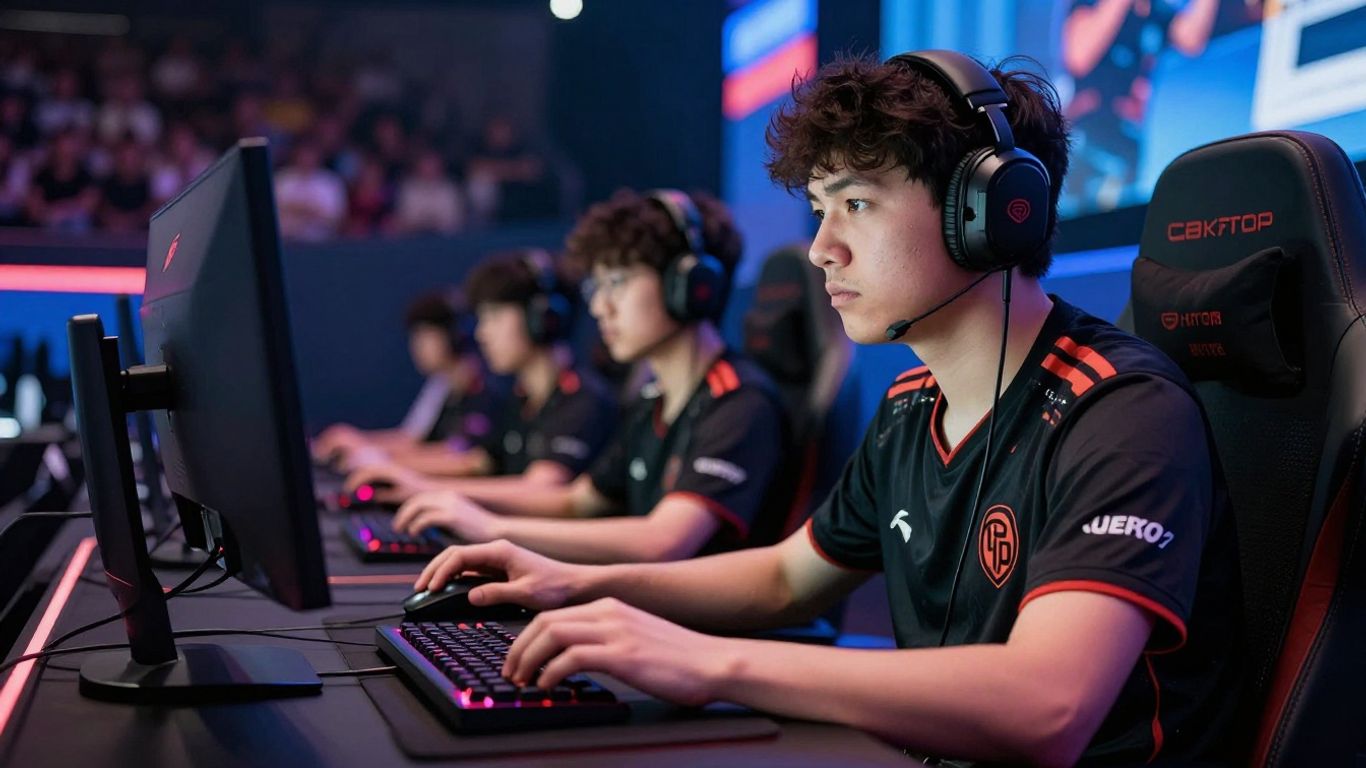
Okay, so you’ve seen the big numbers, the flashy tournaments, and maybe even a few players living the dream. It’s easy to get caught up in the hype, but let’s get real for a second. The path to becoming a pro gamer isn’t just about having lightning-fast reflexes; it’s a tough road with a lot of unknowns. Most aspiring players won’t make a full-time living solely from playing games.
The Competitive Nature of the Esports Industry
Think of it like trying to become a professional athlete. There are millions of people who play video games, but only a tiny fraction make it to the top leagues. The talent pool is massive, and the competition is fierce. You’re not just competing against players in your local area anymore; you’re up against the best from around the globe. This means you need to be not just good, but exceptional, and consistently so.
Financial Realities Beyond the Top Tier
While the top 1% might be pulling in six or even seven figures, the vast majority of players earn much less. Many players outside the premier leagues rely on a mix of smaller tournament winnings, part-time jobs, or support from family. Even players on established teams might have salaries that are modest compared to traditional sports, especially if they aren’t a star player on a top-tier team. Prize money can be inconsistent, and team salaries, while a foundation, aren’t always enough on their own.
Here’s a rough idea of what different levels might look like:
| Player Tier | Primary Income Sources | Estimated Annual Income (USD) | Notes |
|---|---|---|---|
| Top Professional | Team Salary, Tournament Winnings, Sponsorships, Streaming | $100,000 – $1,000,000+ | Highly variable, depends on game, team, and personal brand. |
| Semi-Professional | Smaller Tournament Winnings, Team Stipend, Streaming | $20,000 – $75,000 | Often requires a secondary income source. |
| Aspiring/Amateur | Hobby, Occasional Small Winnings, Content Creation | < $10,000 | Focus is on skill development and building a presence. |
Balancing Passion with a Sustainable Career
It’s important to have a backup plan. Many players find success by building a personal brand through streaming or content creation alongside their competitive careers. This diversification can provide a more stable income stream and opportunities even if a competitive career is cut short. Think about what skills you’re developing – teamwork, communication, strategic thinking, discipline – these are transferable to many other fields. Don’t put all your eggs in the esports basket without considering the long-term picture. It’s a marathon, not a sprint, and sustainability is key.
The dream of making millions playing video games is real for a select few, but for most, it’s a grind. You need incredible skill, dedication, and a bit of luck. Building a career in esports often means being smart about your income streams and planning for the future, not just focusing on the next match.
Wrapping It Up: The Future of Pro Gamer Earnings
So, that’s the lowdown on what pro gamers are making in 2026. It’s definitely not just about winning tournaments anymore, though that’s still a huge part of it. Streaming, sponsorships, and even selling your own gear all add up. It’s a wild mix, and honestly, it’s still changing pretty fast. While some players are making serious bank, remember that most aren’t quite there yet. It takes a ton of skill, a lot of hard work, and sometimes a bit of luck to make a real living from gaming. But with the industry growing like it is, who knows what the next few years will bring? It’s an exciting time to be following esports, that’s for sure.
Frequently Asked Questions
How much money can a pro gamer actually make?
It really depends! Top players in big games can earn millions from tournament wins, salaries from their teams, and deals with companies. But for most players, the earnings are much lower. Some might make around $5,000 a month from their team, while others earn more from streaming or sponsorships. It’s not always a guaranteed big paycheck.
What are the main ways esports players earn money?
Pro gamers make money in a few key ways. They get prize money from winning tournaments, which can be huge for big events. They also receive a salary from the esports team they play for. Many also earn money through sponsorships, where companies pay them to promote products. Plus, streaming their gameplay on platforms like Twitch or YouTube can bring in cash from viewers and ads.
Is streaming as important as playing in tournaments?
For many players, streaming is just as important, if not more so. While tournament wins bring big one-time payouts, streaming provides a more steady income. It also helps players build a personal brand and connect with fans, which can lead to more sponsorship opportunities. It’s a way to earn money even when not actively competing.
Are all esports players rich?
Definitely not. While we hear about the super successful players making millions, the reality is that most esports players don’t earn that much. The industry is super competitive, and only a small percentage reach the very top. Many players struggle to make a full-time living, and it takes a lot of hard work and skill to even get close to the big money.
How do I get started in esports to make money?
To start, you need to get really good at a specific game. Practice a lot and try to join a team, even a small one at first. Building a presence online by streaming or posting game clips can also help. It’s a long road that requires dedication, skill, and sometimes a bit of luck to get noticed and start earning.
What makes some players earn more than others?
Several things make a difference! Being incredibly skilled is key, of course. But also, playing popular games that have big tournaments and lots of viewers helps. Having a large following on streaming platforms and social media makes you more attractive to sponsors. Sometimes, just being in the right place at the right time or having a unique personality can boost earnings too.
Leave a Reply